Dog Bandana Singapore Owners Pick for Weekend Photos

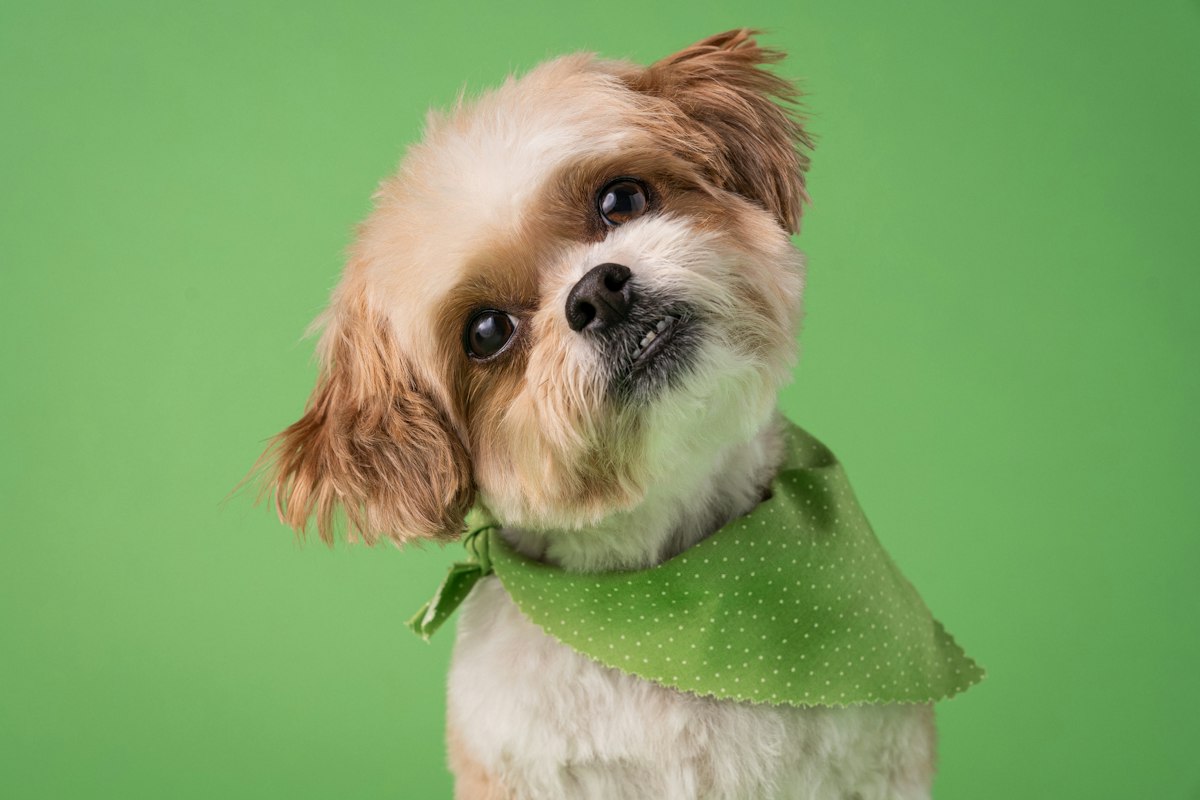
Weekends are when most pet photos get taken. A trip to the park, brunch at a dog-friendly café, a lazy afternoon at home: these are the moments owners want to remember. A small styling touch can make those photos feel more personal, and the easiest one is something around the neck.

Why a bandana works for photos

A bandana frames the face, adds a splash of colour and suits almost every breed. Unlike a full outfit, most dogs barely notice it. The catch is that shop-bought bandanas come in stock prints, so your photos look much like everyone else’s.

A bandana that is all about your dog

With a personalised dog bandana singapore owners can design, the pattern is built from your own pet, rendered from the picture you send, with the name set into the layout. No other dog will turn up wearing the same thing, which is precisely the point when the photo is one you intend to keep.

It is cut from 100% polyester and closes with a buckle. Three sizes are offered, roughly: small for necks of 35–44 cm, medium for 39–51 cm, large for 42–56 cm. Made to be washed, it can go from photo shoot to ordinary walks without fuss.

From photo to bandana

  • Upload a single clear picture and pick a look.
  • An illustration of your pet is made from it, name included.
  • Review the complete layout on screen; payment comes only after your approval.
  • Production happens in Singapore once you order, using sublimation to heat-press the artwork into the cloth.

Getting the photo right

Daylight shots work well: crisp focus, nothing hiding the muzzle, the head facing you more or less. A phone is plenty. Measure around the neck before settling on a size.

Ideas for the shoot. Try a picnic blanket in a contrasting colour, a doorway with soft morning light, or a café table with your dog sitting beside a cup. Get down to the dog’s eye level and let the bandana sit flat across the chest so the face and name are easy to see in the frame.

Better weekend memories

A generic patterned scarf looks nice enough. One designed around your own pet, which Little Red Cute produces, makes every weekend photo instantly recognisable as yours, and gives the dog a small starring role in its own album.
Sticker Printing Singapore: Shapes, Finishes and Sheet Sizes

Stickers are small, easy to hand out and surprisingly hard-working. They seal packaging, label products, decorate laptops and turn up on water bottles long after an event ends. For a small brand, a well-made sticker can travel further than almost any other piece of print.

Shape comes first

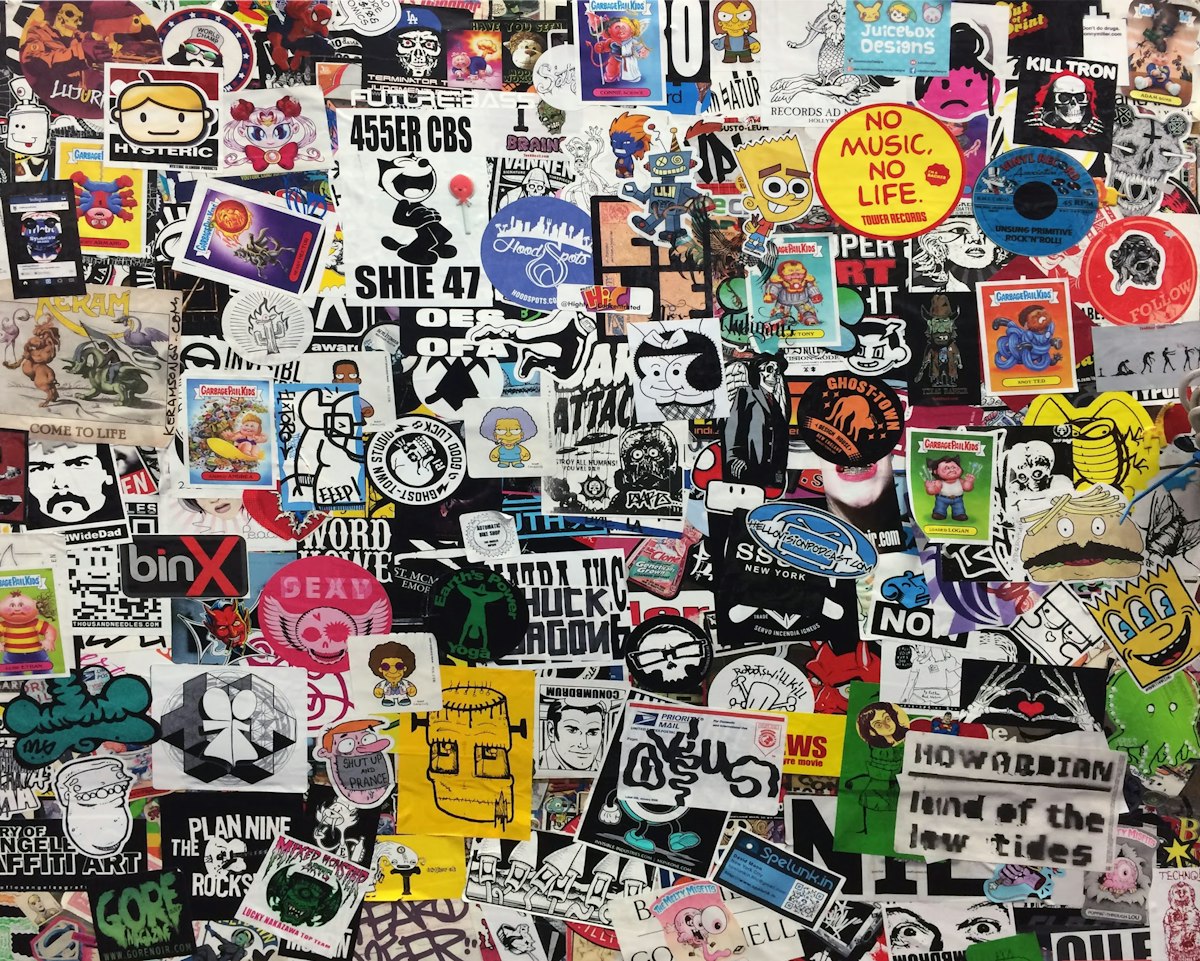
A sticker does not have to be a square or a circle. Die-cutting means the cutter follows the outline of your design, so a logo, a mascot or a product silhouette can become the sticker itself. Cut-outs inside the shape are possible too, which opens up more playful designs.

Pick a finish

With sticker printing singapore brands can order from PrintVolution, there are seven finishes to choose from:

  • Gloss and matt for everyday labels and brand stickers.
  • Transparent, where the artwork sits on a clear base so the surface underneath shows through.
  • Metallic options: rainbow sands, holographic, stripes and gold, for a standout effect.

How the sheet layout works

Every order prints on a 320 × 450 mm sheet, with one design at one size per sheet. You give the width and height of your sticker in millimetres, and the design is repeated across the sheet with a margin around the edge and a small gap between each piece. Smaller stickers mean more per sheet; a 30 × 30 mm sticker fits over a hundred on one sheet.

Prepare the file properly. Supply artwork in CMYK at 300 dpi with fonts embedded or outlined. Print reads a touch darker than a bright screen, so converting colours before sending helps the result look as expected. A person checks every file before printing.

Keep the design simple

Stickers are seen quickly and often from a distance, so bold shapes, a clear logo and a short line of text work better than fine detail. Leave a little breathing room between the artwork and the cut line, and test how the design looks at actual size on screen before ordering.

Ideas for using them

Seal shopping bags, label jars and bottles, add a sticker to every online order, or hand out a sheet at a market stall. Because each sheet can carry dozens of pieces, a small order still goes a long way. Pick the shape, choose a finish that suits your brand, and let the stickers do the travelling for you.

Dog Leash Singapore Walkers Notice: Your Pet on the Strap

Ask most dog owners about their favourite time of day and many will say the evening walk. The heat has eased, the streets are quieter and the dog is at its most curious. It is a simple ritual, but it is also the moment you spend most closely with your pet, connected by the lead in your hand.

The most handled thing you own

Think about how often a lead gets picked up. Twice a day, every day, across thousands of walks. Yet most leads are plain nylon in black or navy, chosen in a hurry and never thought about again. For something held so often, it is worth a little more care.

A leash with your dog on it

A personalised dog leash singapore owners can design runs your own pet along the strap. After one upload and a choice of look, an illustration of your dog is created from the picture, and it repeats down the lead together with the name. Wherever your hand rests, the same face looks back.

The leash is a polyester strap 150 cm long and 2.5 cm wide, in one size, with a zinc alloy hook and a large loop handle at the end. Printing is by sublimation, which heat-presses the design into the polyester.

See it before it is made

The complete design appears on screen for you to review. You approve it before paying, and nothing is produced until you do. Each leash is then made to order in Singapore.

Tips for a good result

  • Choose a clear, bright photo with your dog’s face fully visible.
  • Ideally the dog is looking roughly towards the camera.
  • A phone picture is enough.
  • Avoid photos where a hand, toy or shadow covers the face.

A small ritual, made personal. Many owners already personalise their dog’s bowl, bed or name tag. The lead is the one item that goes everywhere with you both, so it makes sense for it to carry the dog’s identity too. Clip it on, and the walk starts with a reminder of exactly who is waiting by the door.

Why it is worth doing

An ordinary lead links you to your dog and does nothing else. A strap showing your pet’s portrait and name, the sort Little Red Cute makes, makes the evening walk feel like yours alone, and it often starts a chat with other walkers along the way.

Name Card Printing Singapore: Choosing Stock and Finish

A name card is often the only thing someone takes away from a first meeting. Long after the conversation is forgotten, the card sits in a wallet or on a desk. That is why the small choices behind it, the paper, the finish and the details, matter more than their size suggests.

Start with the stock

The card stock sets the tone before anyone reads a word. A standard art card is crisp and versatile, a heavier board feels more substantial, and speciality or tinted stocks such as ivory or pearl-white papers add character. When you look at name card printing singapore options from PrintVolution, there are nine stocks to choose from, ranging from standard weights to heavyweight boards.

Decide on lamination

Lamination is a thin film over the print. Matt lamination gives a soft, low-sheen look that reads cleanly under office lighting. Gloss lamination adds shine and makes colours look richer. Neither is better; it depends on the feel you want your brand to give.

Small details that get noticed

  • Rounded corners soften the card and make it stand out from square-cut stacks.
  • Hotstamp foil in gold, rose gold or silver adds a metallic accent to a logo or name.
  • Double-sided printing gives room for a logo on one face and details on the other.

Get the artwork ready

Send artwork in CMYK colour mode at 300 dpi, with fonts embedded or outlined. Print usually looks a little darker than a bright screen, so converting to CMYK before you send helps avoid surprises. Each file is checked by a person before it goes to print.

Think about where it will be used. A card handed out at networking events gets handled a lot, so a sturdier stock with lamination holds up well in a pocket. A card left on a reception counter can lean towards a softer, more decorative paper. Picture the moment the card changes hands, then choose the stock that suits it.

How boxes work

Name cards come 100 to a box, and each box carries one design. If several people in a team need cards, each name is ordered as its own box. Orders can be delivered or collected from Paya Lebar Square.

A good name card does not shout. It simply feels right in the hand and carries your details clearly, and choosing the stock and finish with care is the easiest way to get there.

The Dog Collar That Tells Neighbours Your Pet’s Name

Every neighbourhood has its regular dog walkers. You recognise the dogs long before you know their owners, and you probably have private nicknames for half of them. The real names, though, usually stay a mystery, because they are hidden on a tiny tag that nobody can read from across the path.

A name worth showing

A dog’s name is part of its personality. Calling a dog by name changes the greeting completely, for the dog and for the person saying it. It is a shame that the usual way of carrying a name, a metal disc that clinks and spins, keeps it almost invisible.

Putting the name on the strap

A personalised dog collar solves this neatly. Rather than hanging a disc off a ring, the band carries the introduction itself: a repeating pattern of your pet, rendered from a picture you supply, set beside its name. Nothing is engraved and no plate is riveted on; the whole thing lives in the print.

Material-wise, it is PU leather, forty-seven centimetres long and just under two centimetres wide. There is a single size, adjusted with a row of buckle holes. Measuring the neck beforehand is wise, and you can pass that number on if you have doubts. To freshen it up, wipe it down with a damp cloth; skip the washing machine.

How it comes together

  • Upload one picture of your dog and choose a look.
  • An illustration is produced from that picture, and the name goes in.
  • The full layout appears for you to inspect; you sign it off before any payment.
  • Production only follows your sign-off. Each one is then made locally in Singapore, with sublimation pressing the artwork into the band using heat.

Choosing the photo

Go for a sharp shot in good light, with eyes and nose unobstructed and the head angled more or less your way. Your phone is perfectly capable. Dim, distant or shaky pictures are the ones to skip.

A small upgrade to the daily walk

A plain band from the pet shop works, but it introduces nobody. One carrying your own dog’s portrait and name, which Little Red Cute produces, turns the morning loop into a small introduction. The next time a neighbour stops to say hello, they will already know who they are greeting.

How to Plan a Day Trip Without Overplanning It

A day trip should feel like a break, not a project. Whether you are heading to the coast, a nearby town or a nature reserve on the edge of the city, the aim is a change of scene and a slower pace. Yet it is easy to fill every hour with stops, bookings and timings until the day becomes a race. The trick is to plan just enough to avoid stress and leave the rest open.

Choose one anchor

Pick a single thing that makes the trip worthwhile: a coastal walk, a market, a museum, a well-loved café. Build the day around that one anchor. Everything else is a bonus. If you only manage the anchor, the trip still counts as a success.

Check the basics the night before

  • Opening hours for your anchor and any place you must not miss.
  • How you are getting there and back, and the time of the final train or bus.
  • The weather, so you pack the right layers.

That is usually all the research a day needs.

Pack light and practical

A refillable water bottle, a snack, a charged phone, a light jacket and walking shoes you trust cover most situations. Leave the heavy camera bag at home unless photography is the point of the trip. The less you carry, the more freely you will wander, and the easier it is to say yes to a detour.

Leave gaps on purpose

Plan for no more than two or three things in a day and leave unscheduled time between them. Gaps are where the good surprises happen: a side street worth exploring, a bench with a view, a conversation with a shopkeeper.

Eat where the locals eat. Skip the restaurant nearest the main attraction. Walk a few streets away and look for places that are busy with people who clearly live nearby. The food is often better and the pace is gentler.

Head home before you are tired

End the day while you still have energy. Leaving a little early means a calmer journey back and a better memory of the trip. Day trips work out well when they leave you wanting another one, not needing a rest from the previous one. Jot down one thing you would do differently next time, and the next outing will be even easier to plan.

Five Small Habits for a Calmer Home

A calm home rarely comes from a big makeover. More often it is the result of a handful of small, repeated habits that stop clutter and noise from building up. None of the ideas below take long, and most of them cost nothing.

1. Give everything a landing spot

Keys, bags, chargers and mail cause most of the daily mess because they have nowhere obvious to go. A bowl by the door, a hook for bags and one box for cables solve a surprising amount of chaos. When things have a home, putting them away takes seconds.

2. Reset for ten minutes each evening

Before bed, spend ten minutes returning the room to neutral: cushions back, dishes washed, shoes paired, bins emptied if they are full. Waking up to a tidy space makes mornings smoother, and ten minutes a day is far easier than a weekend of catching up.

3. Let in natural light

Open the curtains first thing and keep windows clear of clutter. Daylight lifts a room more than any lamp, and it helps you notice when surfaces need a wipe. In the evening, switch to softer, warmer lighting to signal that the day is winding down.

4. Bring in something living

A few easy houseplants, such as a snake plant, pothos or peace lily, add colour and a sense of life. They also give you a small daily ritual of care. Start with one or two and add more only once watering becomes a habit.

5. Edit before you add

Before buying something new for the home, remove one thing you no longer use. Donate it, pass it on to a friend, or recycle it. This one-in, one-out rule keeps shelves breathing and makes every remaining object feel chosen.

A bonus habit: quiet hours.

Agree on an hour each evening when the television goes off and phones go face down. Read, cook, talk or simply sit. A daily stretch of quiet makes the whole house feel slower and more restful, and it is often the habit people miss most when they skip it.

Calm at home is less about style and more about rhythm. Pick one habit, practise it for a fortnight, then add the next. Within a couple of months the house will feel noticeably quieter, and so will you.

A Slow Sunday Morning Routine Worth Keeping

Weekdays tend to start with an alarm and a list. Sunday is the one morning that can begin on its own terms, and the way it unfolds often sets the tone for the week that follows. A slow morning is not about doing nothing. It is about doing a few small things on purpose, without a clock pressing at your back.

Wake without a deadline

Leave the alarm off if you can. Waking naturally, even if it is only half an hour later than usual, gives the body a rare chance to finish its sleep. Resist reaching for the phone straight away. The news and the messages will still be there in an hour.

Make breakfast a small event

Sunday is the morning for something that takes a little longer than toast. Soft scrambled eggs cooked low and slow, a pot of tea brewed properly, fruit cut onto a plate rather than eaten over the sink. None of it is complicated, but sitting down to it changes how the morning feels.

  • Lay the table, even if you are eating alone.
  • Put on music you actually like, not background noise.
  • Eat by a window if you have one.

Move a little

A short walk around the neighbourhood, a stretch on the living room floor, or twenty minutes of gentle cycling is enough. The point is to get blood moving and fresh air in, not to train. Notice the quieter streets and the shops just opening up.

Tidy one thing

Pick a single small task: clear the kitchen counter, water the plants, sort the pile of mail. Finishing one job gives a sense of order without turning the day into a chore list.

Call someone you miss. Sunday mornings are a good time for an unhurried phone call with a parent, an old friend or a sibling who lives far away. Nobody is rushing to a meeting, and a twenty-minute chat over coffee can leave you both in a better mood for the rest of the day.

Plan lightly

Before the morning ends, spend five minutes looking at the coming week. Note the two or three things that genuinely matter and leave the rest. It is easier to face Monday when you have already decided what is worth your energy.

A slow Sunday morning will not fix a busy life, but it offers a pause that is easy to protect. Keep it simple, keep it regular, and it becomes the part of the week you look forward to most.

© 2026 Bear Life

Theme by Anders Noren — Up ↑